Product Description
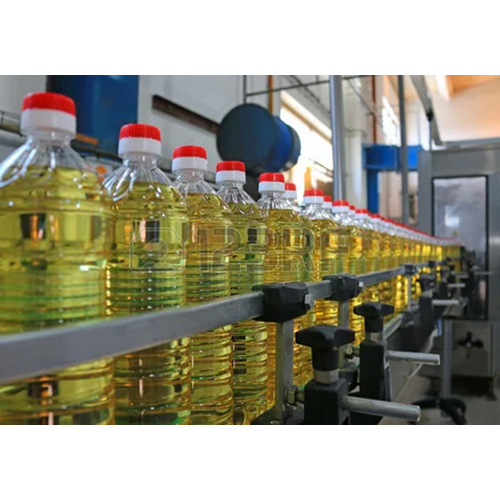
A pesticide servo liquid filling machine is an automated, high-precision system designed to fill pesticides, insecticides, and herbicides into various container types (PET/glass/plastic) using servo-driven, high-speed piston technology
. These machines ensure high accuracy, minimal spillage, and quick,, automated, recipe-based volume adjustments for different products, commonly handling 50ml to 1000ml or more at 120 bottles per minuteHigh-Precision Servo Filling TechnologyThe servo-driven system ensures exceptional accuracy, maintaining a 1% filling tolerances across diverse pesticide and chemical liquids. Customizable head counts (2, 4, 6, or 8) cater to varying output needs, while drip-proof nozzles reduce wastage and maintain a clean production environment. This advanced filling technology enhances both productivity and product quality.
Flexible and Efficient ProductionWith a filling range of 50 ml to 1000 ml and compatibility for a variety of bottle sizes and materials, this machine adapts quickly to different packaging requirements. Tool-free, minimal changeover ensures swift transitions between products, supporting high-volume production lines and diverse applications in agrochemical, pharmaceutical, and chemical sectors.
User-Friendly Automation and SafetyIntuitive operation via a Touch Screen HMI and PLC control simplifies process management, while built-in safety features-such as emergency stop, no bottle-no fill mechanism, and overload protection-prioritize operator and equipment safety. The CIP-ready configuration further boosts hygiene and operational efficiency in demanding industrial settings.
FAQ's of pestiside servo liquid filling machine:
Q: How does the servo motor system improve filling accuracy in the pesticide liquid filling machine?
A: The servo motor system provides precise control over the filling volume and speed, maintaining accuracy within 1%. This ensures consistent, spill-free operation across a wide range of liquids and reduces product loss while enhancing batch consistency.
Q: What is the process for changing bottle sizes or filling volumes?
A: Switching between bottle sizes or fill volumes is straightforward, thanks to tool-free, minimal changeover design. Adjustments can be made via the Touch Screen HMI, enabling operators to quickly configure the system to fit various bottle dimensions and liquid quantities with minimal downtime.
Q: When is cleaning required, and how is it accomplished?
A: Cleaning is typically performed between product runs or during routine maintenance. The machine is CIP (Clean-in-Place) ready, which allows automated internal cleaning without disassembly, making the process faster, more effective, and compliant with industry hygiene standards.
Q: Where can this filling machine be installed, and what types of bottles are supported?
A: Designed for industrial production lines, the machine is suitable for facilities packaging pesticides, agrochemicals, chemicals, or pharmaceuticals. It is compatible with a variety of bottle types-including plastic, HDPE, PET, and glass-with bottle size adaptable to your specific needs.
Q: What safety features are integrated into the filling machine for operator protection?
A: Safety is ensured through mechanisms such as an emergency stop button, a no bottle-no fill system to avoid spills, and overload protection which guards the equipment during power surges or jams. These features minimize risk during operation.
Q: How does automation benefit the production process with this machine?
A: With automatic operation managed through a user-friendly touch screen and PLC controls, the machine boosts throughput, reduces manual labor, and enables precise monitoring of filling parameters. This translates to higher productivity and consistent product quality.
Q: What are the maintenance and support resources provided with the machine?
A: The machine is supplied with spare nozzles, hoses, and an operation manual for quick maintenance and troubleshooting. Its stainless steel build (SS 304/316) ensures durability and resistance to corrosive chemicals, reducing maintenance frequency over time.

 Get A Quote




 Send Inquiry
 Send Inquiry
 Send SMS
 Call Me Free


